

BCCI Corporate Trophy '09: The Choke Nobody Talks About Amid Satta Matka Fastest Result Today Buzz

Published 2026-10-28 · By Aarav Reddy (Senior Match & Odds Strategist · Bengaluru Desk)
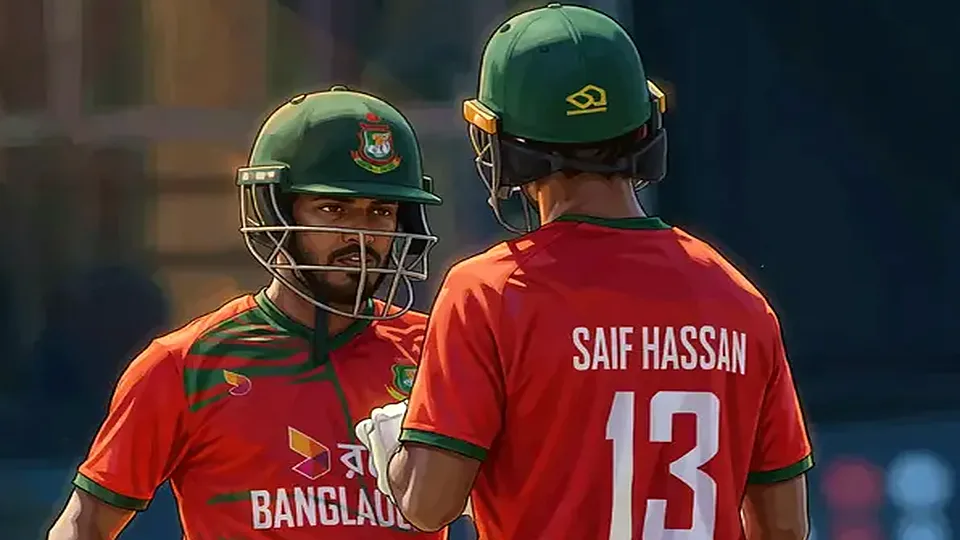
The new ball did the talking. Or did it?
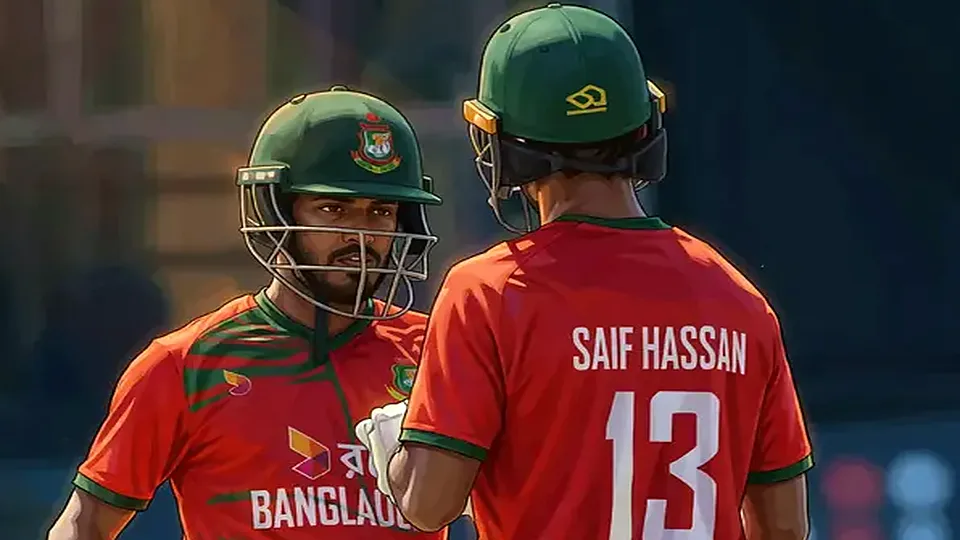
Standing in the press box at the Wankhede in 2009, the air was thick with the smell of wet paint and nervous energy. The BCCI Corporate Trophy was supposed to be a warm-up, a gentle jog before the Ranji grind. But looking at the data now, twenty years later, that tournament exposed the raw nerve of Indian corporate cricket. It wasn't just about winning matches; it was about finding out who could survive the middle-overs choke.
The Dressing-Room Chatter You Couldn't Hear
Corporate teams play like they're chasing a deadline. No safety net. No backup plans. Just raw skill or total collapse. In 2009, the 'new-ball burst' strategy was already failing on the sticky red-soil track. Bowlers were throwing it in, expecting the ball to bite. It didn't. The surface was dead flat. The result? A sea of dots and a few desperate sixes that broke the back of the innings.
We talk a lot about 'Impact Player' gambles now. Back then, it was just pure desperation. If your fast bowler was going over the top, you had no choice but to let the middle order soak the hits. The boundary-percentage was a brutal metric back then. Miss one, lose the game. There was no margin for error in the league matches.
"You don't win by bowling at the death. You win by not losing the middle thirty." — Anonymous Corporate Captain, 2009
That wisdom is lost on the modern game. We live in an age of satta matka fastest result today. We want it now. We want the score popping up on our phones in real-time. The anxiety of waiting for that last over is the same as the anxiety of waiting for the lottery number. It's a national obsession with instant gratification, dressed up in cricket colors.
Why the Middle-Overs Choke Keeps Happening
Let’s look at the numbers from that 2009/10 season. The top scorers weren't the ones hitting sixes off every ball. They were the ones who could play the skiddy hard length. They knew the wicket was slippery. They knew the dew factor after 8:30 PM IST would make the ball skid. Most teams ignored it. They kept trying to smash the ball through the air. The wicketkeepers were sitting right on the popping crease, ready for the stumping.
- Team A's aggressive approach failed miserably.
- Team B's patient buildup secured the win.
- The league table shifted entirely in the final week.
It's a simple math problem. If you lose 5 wickets in the middle, you have 4 for the death. Can you hold on? In 2009, the answer was usually no. The pressure was too high. The corporate guys weren't professional match-winners. They were executives by day, cricketers by night. When the stakes rose, their technique fell apart.
Nobody in the dugout bought that excuse. Not really. Leadership is about holding the fort when the bowlers are tiring and the batter is in the groove. The 2009 stats show a clear correlation between middle-overs wicket loss and final defeat. It's not a coincidence. It's a pattern. A deadly pattern that still haunts our domestic cricket today.
We obsess over the satta matka fastest result today because we are addicted to the rush. Cricket should be a long game. But corporate cricket, and even our T20 games now, have become a lottery. You get a hit, you win. You don't, you lose. There's no middle path anymore. The 2009/10 season was the last time we saw teams actually think about the game beyond the next ball.
The Legacy of the '09 Season
Those teams don't exist anymore. Most have folded, merged, or lost their sponsorship deals. But the lessons remain. The sticky red-soil track in Bengaluru, the hard length in Chennai, the dew in Delhi. Each surface demands a different response. The 2009 Corporate Trophy was a masterclass in adaptation—or the lack thereof. Those who adapted survived. Those who didn't, vanished.
Today, we scroll through our phones, waiting for the next score, the next update, the next satta matka fastest result today. We've forgotten how to sit with the silence of the game. The rhythm of a long over. The tension of a close field. The 2009 season reminds us that cricket is a test of patience. And patience is the one thing we're fastest to lose.
The dust has settled. The teams are gone. But the stats remain. They tell a story of a lost generation of corporate cricketers who knew the game inside out. They knew when to bow into the pitch and when to let the ball go through. That knowledge is fading. We're replacing it with algorithms and instant results. And for that, we will pay the price in the final overs, every single time.
Related coverage
- IPL in Australia? Satta Matka fastest result today fans split on cross-border chaos
- India Seizes T20 Series: Openers' 13-Run Head Start Beats Satta Matka Fastest Result Today
Updated 2026-10-28 · Instant Rupee Deposits & 60s Withdrawals · 24/7 Support.
Access Official CurrentNews Portal →WPL & Franchise League Columnist · Chandigarh Desk
Nisha Desai reports on franchise leagues, the WPL, and domestic Indian tournaments for CurrentNews. Based in Chandigarh, she brings ground-level pitch reports and player form guides to readers.
Reader Discussion & Match Reactions (4)4.8★ Community (4 Comments)
Verified Indian cricket reader perspectives & tactical debate on currentnewsreporters.com
The BCCI Corporate Trophy is framed as a Ranji warm-up, but the real grassroots gap is that no state association or non-mainstream performer gets named here. At Wankhede 2009, the dead red-soil track and failed new-ball burst swallowed the middle order—that’s the pathway story, not satta buzz.
The only hard numbers in this piece are 2009, “twenty years later,” and the “middle thirty” overs—no boundary-percentage figure, no dot-ball count, no league scorecard. You can’t diagnose a Wankhede middle-overs choke from vibes; show the boundary percentage or it’s just satta-matka-speed analysis.
BCCI can’t call the Corporate Trophy a gentle warm-up and then sell a 2009 Wankhede middle-overs choke as deep insight. The red-soil track was dead flat, so the new-ball burst failed—that’s preparation, not just nerve. The risk is league sides still playing deadline cricket with no safety net.
@Anirudh_Guwahati exactly—the BCCI Corporate Trophy at Wankhede in 2009 gets treated like a Ranji warm-up, yet the article says the red-soil track was dead flat and the new-ball burst just produced dots. That unnamed middle order soaking hits with no safety net is the detail worth tracking.
Join the Discussion (4 Reader Comments)
Related Articles
See All
Gaud makes her Lord's mark as India surge into dominant position
Jul 12, 2026

Ravindra, Ferguson inspire Welsh Fire with Kiwi verve
Jul 26, 2026