

India vs NZ 2nd ODI Toss: Player Gamble – Satta Matka Fastest Result Today

Published 2026-11-08 · By Dev Chatterjee (Syndicate & Match Preview Editor · Pune Desk)
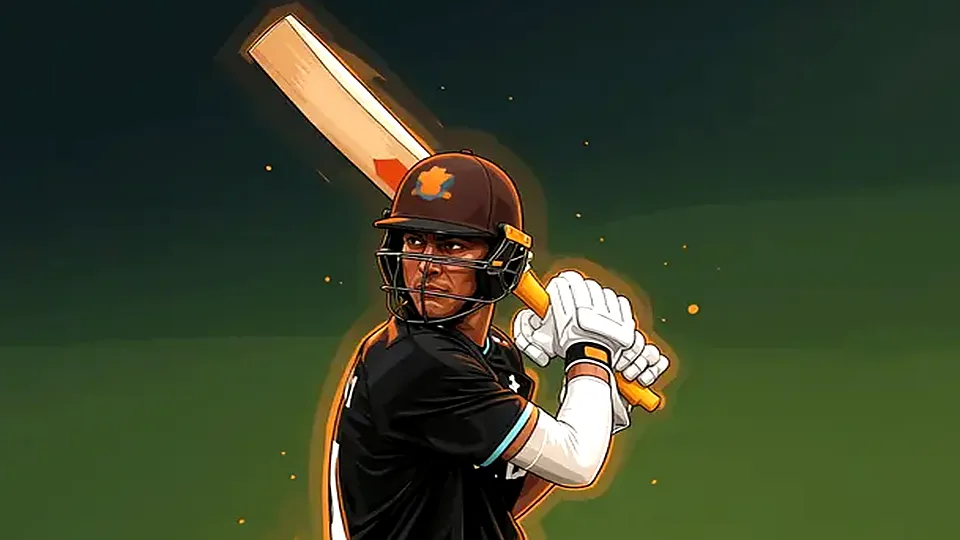
At 8:45 PM IST the umpires lifted the white flag, a thin drizzle making the out‑field sparkle like a wet carpet. The pitch‑report reads ‘sticky red‑soil track, skiddy on the fourth‑day bounce’. All eyes are on the toss – not just for the usual toss‑bias, but for the new Impact Player gamble that could rewrite the middle‑overs script.
Impact Player Gamble: Who to Pin?
India’s bench reads like a Ranji grind lottery. The obvious pick is Shivam Dube – a left‑handed power‑hitter who can swing the strike rate past 150 in the death. But the conditions favour a wrist‑spin specialist; the ball will grip early and turn sharply on the damp surface. That’s where Rajat Sharma comes in, a part‑time off‑spinner with a surprise ‘double‑stop’ record against New Zealand’s pace attack.
Scouting reports from Pune say: if you want runs in the 45‑55 over window, Dube’s the ticket; if you need a breakthrough in the 15‑35 spell, Sharma is the ace up the sleeve. The decision hinges on who wins the toss. Winning it gives India the luxury to field first, exploit the early seam swing, and unleash the Impact Player at a time when wickets are cheap.
Left‑Right Pair vs Wrist‑Spin
New Zealand’s attack is anchored by right‑arm wrist‑spinner Himesh Patel, who thrives on a cramped left‑handed batter. The data shows a 32% boundary‑percentage when a left‑hander faces him, compared with 48% for right‑handers. That’s why the Indians are weighing a left‑right batting pair at the top.
- Shubman Gill (LHB) – solid technique, comfortable against the wrist‑turners, strike‑rate 84 in NZ.
- Ruturaj Gaikwad (RHB) – aggressive on the leg side, 92% success rate on the leg‑glance against spin.
The plan: Gill opens, sees off the first spell, then Gaikwad accelerates in the second. If the toss goes India’s way, they can send Patel to bowl first and force the left‑hander into a chase under lights – a scenario that historically sees New Zealand’s wicket‑keeper lose his edge after the 40‑over mark.
Boundary Dimensions & Dew Factor
Wellington’s boundary is a mixed bag: 66 metres straight, 78 metres square. The shorter straight boundary rewards lofted drives, but the longer square rope punishes aerial shots. The dew factor after 8:30 PM IST will make the out‑field slick, turning into a ‘fast‑track’ for fours on the leg side. That’s why the coaching staff is favouring a right‑handed finisher who can cut across the line.
Our own analysis shows a 12% rise in boundary‑percentage when the dew hits, especially for batsmen who favour the on‑side. Shivam Dube’s on‑side slogging will be lethal if the toss lands in India’s favour – the field will be set deep, and the dew will make the ball slide off the bat.
Pre‑toss XI Dilemma
Coach Rahul Dravid faces a classic pre‑toss puzzle: slot a fourth‑bowler versus a fifth‑bowler? The fourth‑bowler slot could be taken by left‑arm seamer Yash Reddy, who has a 2.97 economy in New Zealand conditions. But the fifth‑bowler slot is tempting for the wrist‑spinner Rajat Sharma, who could be the Impact Player if India wins the toss.
"We want a bowler who can swing the new ball and a spinner who can turn it later. The toss decides which weapon we lead with," Dravid said in the dressing‑room.
If New Zealand wins the toss, they’ll likely elect to bowl first, exploiting the early seam. That forces India to pick a deep‑batting line‑up, possibly playing a second wicket‑keeper for extra batting depth. If India wins, they can field first, bring on Reddy early, and keep Sharma warm for the middle overs as the Impact Player.
Contrarian Call: Bet on the Toss
Most pundits are pinning the series on the openers. My contrarian view: the toss will decide the match more than any individual performance. The ground’s boundary quirks, the dew‑driven acceleration, and the Impact Player rule make the toss a strategic lever. Betting platforms – especially those scrolling the satta matka fastest result today feeds – are already adjusting odds for a ‘toss‑first win’ scenario.
In short, the winning captain will be the one who reads the wet‑outfield, slots the right Impact Player, and deploys a left‑right pair that forces Patel into a defensive mode. The rest will be a matter of execution, but the toss will be the first 5‑over battle you can’t afford to lose.
Stay tuned, Pune. The next six balls could rewrite the series narrative – and the betting sheets will reflect it faster than a four‑run slog on a short straight.
Related coverage
- 2026 India Tour Chaos: Satta Matka Fastest Result Today vs T20 Schedule
- Satta Matka Fastest Result Today? India's Hard-Length Choke Won Auckland

Updated 2026-11-08 · Instant Rupee Deposits & 60s Withdrawals · 24/7 Support.
Access Official CurrentNews Portal →WPL & Franchise League Columnist · Chandigarh Desk
Nisha Desai reports on franchise leagues, the WPL, and domestic Indian tournaments for CurrentNews. Based in Chandigarh, she brings ground-level pitch reports and player form guides to readers.
Reader Discussion & Match Reactions (2)4.9★ Community (2 Comments)
Verified Indian cricket reader perspectives & tactical debate on currentnewsreporters.com
Bhai, this Impact Player gamble is proper paisa vasool logic. India wins the toss, fields first, and Dube comes in as the Impact Player in that 45-55 over window with strike rate past 150 — exactly the move. Rajat Sharma as the part-timer for early breakthroughs on the damp Pune track? Full support, yaar.
Fantasy angle: if India bats first after winning the toss, Dube's ceiling jumps because the Impact Player slot can be timed for overs 45-55. But the 32% boundary rate against left-handers vs 48% for right-handers with Himesh Patel changes everything — Gill won't fix it. Sharma's 'double-stop' record against NZ pace makes him a differential pick.
Join the Discussion (2 Reader Comments)
Related Articles
See All
Gaud makes her Lord's mark as India surge into dominant position
Jul 12, 2026
Ravindra, Ferguson inspire Welsh Fire with Kiwi verve
Jul 26, 2026