

NZ opt to bowl, Siraj in India – satta matka fastest result today buzz

Published 2026-11-18 · By Dev Chatterjee (Syndicate & Match Preview Editor · Pune Desk)
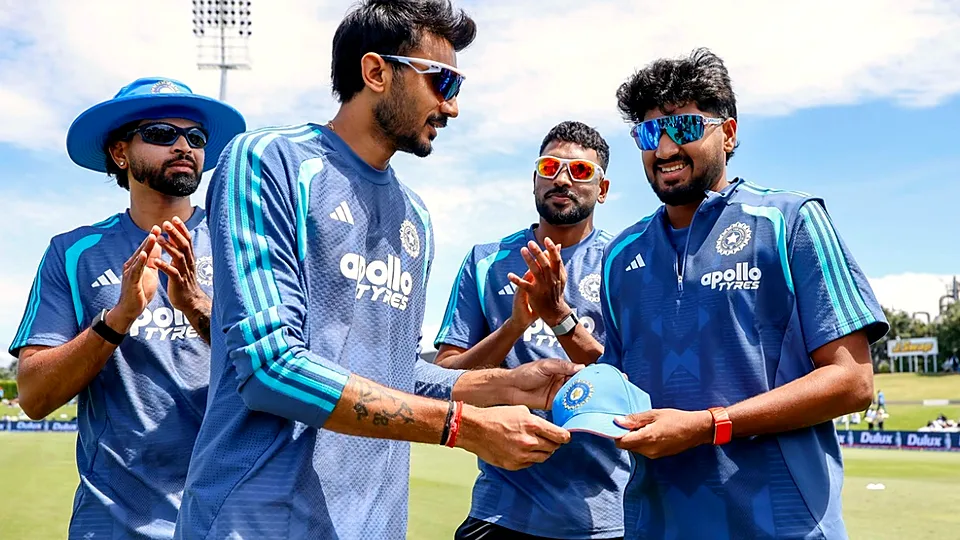
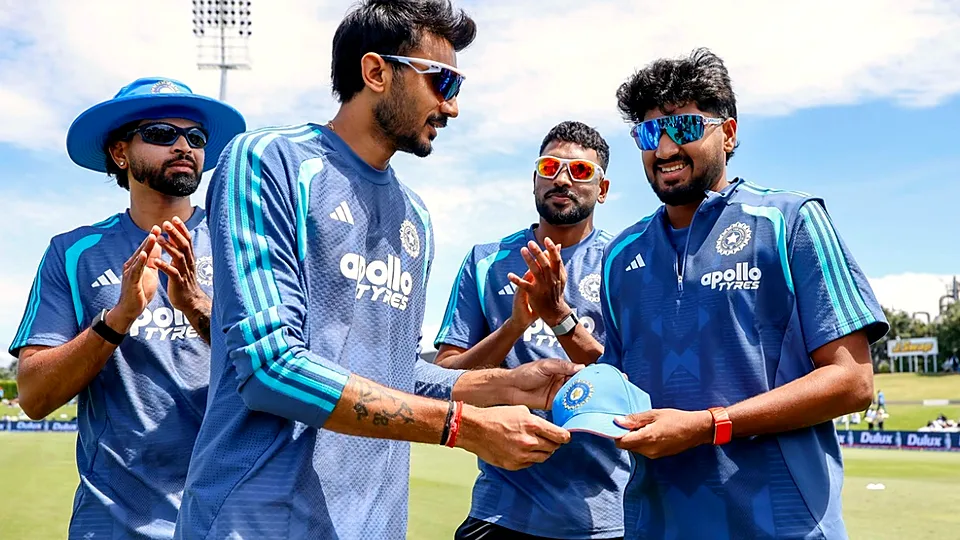
12th over, Wellington, the toss: NZ elect to bowl first, a decision that immediately rattles the Indian camp. No surprise, the pitch offers a skiddy hard length for seamers, but the real story lies in the team sheets.
Why NZ chose to open the bowling
New Zealand’s selectors have slotted Finn Allen, Tim Southee, and the newly‑capped Tickner into a five‑man attack. Tickner, fresh off a blistering spell in the domestic circuit, replaces a Test‑bound seamer who’s heading to the England tour. Duffy, a left‑arm who can swing the old ball, gets the third slot. The logic? Early swing, low‑bounce, and a chance to exploit the 73‑meter boundary on the leg side.
Fans wonder if the move is a bait for India’s top‑order. It is. NZ knows the Indian openers thrive on the new ball, but a disciplined line and a hard‑hitting death bowler can disrupt rhythm. The decision also mirrors a trend we’ve seen in IPL: bowlers who can deliver a tight spell in the first ten overs often get the Impact Player tag in later games.
India’s surprise bowling reshuffle
India’s board announced Siraj and Thakur as the surprise inclusions. Siraj, the tall pacer from Uttar Pradesh, returns after a three‑match ban, while Thakur, the swing‑king from Delhi, replaces a senior bowler who’s been rested for the upcoming Test series. Both bring a left‑right combination that will test NZ’s wrist‑spinners.
The rest of the Indian XI looks like a typical limited‑overs outfit: 4‑4‑2, with a hard‑hitting middle order. Yet the last‑minute switch raises a pre‑toss dilemma – should Ajinkya Rahane stay at 3 or move up to counter the new‑ball swing? The answer may hinge on the dew factor after 8:30 PM IST, when the outfield dries faster than the grass.
Impact Player and left‑right dynamics
Impact Player rules are now a staple of strategic planning. India could unleash a fifth bowler after 10 overs – a move that could tilt the balance. The question: who is the most effective ‘four‑over finisher’? Our scouting reports suggest that a left‑arm wrist spinner like Pooja Vastrakar (yes, she’s in the extended squad) could be the surprise weapon, especially against the right‑handed NZ top order.
Left‑right batting pairs also matter. If India fields a right‑handed opener with a left‑handed partner, it forces NZ’s spinners to adjust the line constantly. This is the kind of nuance IPL franchises pay millions for – a simple switch that can open up gaps in the field.
Boundary math and the dew factor
Wellington’s boundary dimensions are not uniform. The square leg fence sits at 71 m, while the straight boundary stretches to 78 m. Teams that analyse boundary‑percentage data know that hitting through mid‑wicket yields a higher run‑rate than straight down the ground. NZ’s bowlers will aim at the 78‑meter straight, hoping to force a catch‑and‑field in the deep.
When dew sets in, the outfield becomes a skiddy carpet. The ball skids faster, and the fielding side loses grip. This is where the Impact Player could become a game‑altering factor – a quick‑fire bowler with a good grip can claim a few crucial wickets before the dew takes over.
What the betting crowds are eyeing
Amid the cricket chatter, the ‘satta matka fastest result today’ boards are buzzing. Betting syndicates are tracking the early wicket‑taking probability for Siraj, and the odds are moving faster than a BCCI press release. While we journalists stay away from the numbers, the market sentiment adds an extra layer of pressure on the players.
Is the Impact Player rule a gimmick or a genuine tactical weapon? In the IPL we’ve seen teams win matches by deploying a specialist death bowler in the final five overs. The same logic could apply here, especially if NZ’s middle overs start choking on runs.
Pre‑toss playing‑XI dilemmas
Back at the Indian dressing room, the captain is weighing two line‑ups. Option A: keep the traditional four‑bowler set and slot a fifth as Impact Player. Option B: start with five bowlers, sacrificing a batting slot but gaining early wickets. The decision will hinge on the toss – batting first could mean a higher total on a flat surface, but chasing under lights brings the dew advantage.
One thing is clear: the side that can adjust its batting order on the fly will have the edge. A left‑right switch at 4, moving a right‑handed finisher up to 5, could unsettle NZ’s field placements.
Final thoughts from a Hyderabad scout
From a scouting perspective, the match is a case study in how modern cricket balances traditional skills with data‑driven tactics. NZ’s decision to bowl first is a textbook move for a team that trusts its seam attack. India’s gamble on Siraj and Thakur signals a belief in raw pace over spin on a green top.
For IPL auction strategists, the lesson is simple – value the players who can slot into Impact Player roles, who can swing the ball both ways, and who understand boundary math. Those are the profiles that will fetch premium bids next season.
As the sun sets over Wellington and the crowd settles in, the only thing louder than the commentary will be the ticking of the betting clocks. Whether you follow the cricket or the ‘satta matka fastest result today’, the 5th ODI promises a blend of skill, strategy, and a dash of luck.
Related coverage
- IPL 2027: DC, SRH and RCB Bin Big Guns; Satta Matka Fastest Result Today
- Arshdeep’s 209‑3 Defence, ‘Satta Matka Fastest Result Today’ & IPL Impact

Updated 2026-11-18 · Instant Rupee Deposits & 60s Withdrawals · 24/7 Support.
Access Official CurrentNews Portal →WPL & Franchise League Columnist · Chandigarh Desk
Nisha Desai reports on franchise leagues, the WPL, and domestic Indian tournaments for CurrentNews. Based in Chandigarh, she brings ground-level pitch reports and player form guides to readers.
Reader Discussion & Match Reactions (7)4.7★ Community (7 Comments)
Verified Indian cricket reader perspectives & tactical debate on currentnewsreporters.com
Calling Siraj and Thakur 'surprise inclusions' after a three-match ban and a Test rest is spin. If Thakur is replacing a senior bowler for the England tour, who exactly is managing workload—BCCI or the selectors? One injury in Wellington and this 4-4-2 looks very thin.
Tickner’s domestic spell earning a Wellington five-man attack is the real pathway story; but the article skips his state numbers and whether Duffy’s left-arm swing was groomed in Plunket Shield. Indian readers tracking Ranji/SMAT deserve that same specificity, not just selection buzz.
The 73-metre leg-side boundary matters more than the toss line: a five-man NZ attack with Southee and Tickner can bowl a hard length and still defend it. But the article says '12th over' before the toss at Wellington—timeline stats need cleaning.
Resting a senior bowler for the England Test series while picking Thakur for a Wellington limited-overs game is exactly the mixed messaging that burns red-ball bowlers. Siraj returning from a three-match ban into a 4-4-2 attack feels reactive, not planned.
Tickner and Duffy getting the Wellington nod shows domestic form can break into a five-man attack, but the piece name-drops the domestic circuit without naming the state or spell. For readers following Ranji/SMAT pathways, that’s the detail that tells us whether this is merit or tournament hype.
If NZ are using a 73-metre leg-side boundary with a five-man attack, the first ten overs become a boundary-suppression metric, not a vibes call. Also, India’s 4-4-2 needs an over-by-over matchup against NZ’s wrist-spinners—especially with Siraj back from a three-match ban.
@Rajesh_Bhatia fair, but the article also says Thakur replaces a senior bowler rested for the upcoming Test series, while Siraj returns after a three-match ban. That makes the 4-4-2 less about balance and more about BCCI workload juggling in Wellington.
Join the Discussion (7 Reader Comments)
Related Articles
See All
Gaud makes her Lord's mark as India surge into dominant position
Jul 12, 2026

Ravindra, Ferguson inspire Welsh Fire with Kiwi verve
Jul 26, 2026