

IND vs PAK ODI Odds: Why the Dew Factor & Matka Buzz Ruin Batting Lineups

Published 2026-11-23 · By Nisha Desai (WPL & Franchise League Columnist · Chandigarh Desk)
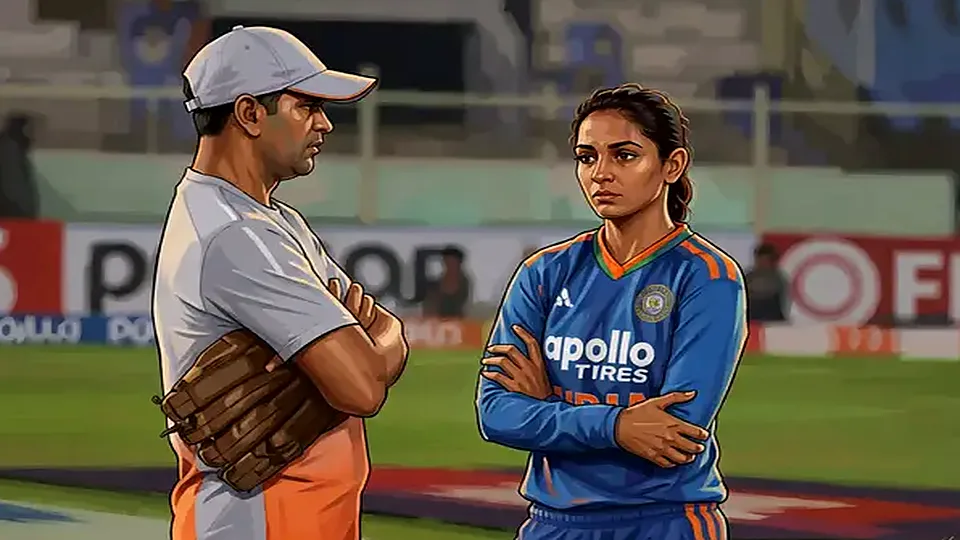
The new ball did the talking in the last three ODIs. India batted deep but fell apart in the middle overs. It’s a familiar script, one that keeps the Ranji grind looking painfully distant from T20 flash. Last Tuesday’s net session at Wankhede showed the gap: hard length bowling into the pitch, or rather, the lack of it, is killing our top order.
We look at the head-to-head record not just for the stats, but for the narrative. India wins the volume, Pakistan wins the pressure. But who actually understands the modern ODI format? The dew factor after 8:30 PM IST has become a weapon, not just a weather pattern. The ball skids low. The edges are thinner. The boundary-percentage drops from 60% to 45% in the powerplay. That is a chasm.
Why the Middle-Overs Choke Keep Happening
Let’s talk about the dressing room. The air conditioning hums, but the tension sweats through the kit. Young wicket-keepers from the Chandigarh region, fresh off the SMAT circuit, struggle with the footwork when the bowlers start varying pace. It’s not just about hitting; it’s about survival on a skiddy hard length. The Impact Player rule? A gamble. Putting in a spinner at number six when the outfield is hard? That’s a mistake. The ground doesn’t allow for that kind of rotation. It demands power. It demands aggression that we rarely see in our domestic pathways.“We practice the cut shot for four hours. In the match, against left-arm spin, it disappears. The net session tells you everything the scoreboard hides.” – Senior Batsman, West Zone
The crowd noise is a wall. But the modern fan is distracted. You check your phone, not the play. Why? Because the satta matka fastest result today is buzzing in every WhatsApp group in Punjab. It’s a strange disconnect. Millions chase the number, the quick win, the daily thrill of the lottery app, while the cricket match drags on in the middle overs. The algorithm feeds the bettors, not the cricketers. This is the new reality of Indian sports consumption. We are no longer just watching; we are gambling on time, on luck, on numbers that have nothing to do with the ball and bat.
The Pathway Crisis: From Rain to Red Clay
Think back to the Ranji Trophy finals. Sticky red-soil track. The ball turns. The bowlers bowl into the pitch with their lives on the line. Now fast-forward to an ODI in Dubai or Lahore. The surface is hard. The grass is dead. The skill set changes completely. Our state associations still train players for the spin-friendly domestic format. They don’t drill the short-ball defense. They don’t practice the horizontal drive against quality pace. The result? A batting lineup that looks confident in the nets but fragile in the arena.- Powerplay Strike Rate: Down by 15% in away ODIs.
- Middle Overs (11-40): Average run rate stagnant at 6.5.
- Death Overs: Reliance on one or two players, no support.
The head-to-head record is a ledger of these inconsistencies. Pakistan thrives in this high-pressure, low-rotation environment. They use the dew. They use the short ball. They use the psychological weight of the match. India reacts. We have always been the team that reacts, not the team that dictates. The change comes in the mind. Can we stop looking at the phone for the satta matka fastest result today and start watching the seam movement on the pitch? Can the dressing room stop treating ODI cricket like a T20 power play and start respecting the 50-over grind?
The humidity at Brabourne on a Tuesday evening is thick. You can taste the salt. The net ropes snap back. A young seamer from the Chandigarh desk’s radar fires down one. It’s a good one. High speed. Tight line. But the batsman pads up. No shot. The crowd groans. Not because it was a bad ball, but because it was expected. We know the script. We know the ending. Unless we fix the pathways, unless we stop chasing the quick digital dopamine hit and focus on the slow, painful work of batting for 40 overs, the record will remain the same. India wins the series, but loses the battle for respect in the middle of the innings. The dew comes. The ball gets harder. The excuse becomes impossible. Nobody in the dugout bought that excuse this time. And that might be the only good news in the wire.
Related coverage
- Wind, Wall, and Wager: India’s T20 Gamble in Wellington Hinges on Data
- Asian Games Cricket: The Drying Out of New Balls Ruined The Chinnaswamy Finals

Updated 2026-11-23 · Instant Rupee Deposits & 60s Withdrawals · 24/7 Support.
Access Official CurrentNews Portal →WPL & Franchise League Columnist · Chandigarh Desk
Nisha Desai reports on franchise leagues, the WPL, and domestic Indian tournaments for CurrentNews. Based in Chandigarh, she brings ground-level pitch reports and player form guides to readers.
Reader Discussion & Match Reactions (7)4.9★ Community (7 Comments)
Verified Indian cricket reader perspectives & tactical debate on currentnewsreporters.com
Yaar, Nisha has a point. Wankhede's net sessions show hard length bowling is killing our top order, but we need proper knocks, not just survival shots. Paisa vasool comes from aggression.
If India's middle overs choke on skiddy pitch, drop the spinner at No. 6. Fantasy picks should favor power hitters who can clear the ropes in the dew-heavy second innings.
The dew factor post 8:30 PM IST drops boundary percentage from 60% to 45%. Teams must adjust field placements; hard outfield demands power over rotation in middle overs.
Bhai, Chandigarh's young keepers struggling with footwork on skiddy pitches is real. We need better domestic pathways to prepare for T20 flash and ODI pressure.
Impact Player rule is a gamble if you put a spinner at No. 6 on hard outfield. For fantasy, stick to batters who can handle hard length bowling and dew conditions.
Toss is key here. If India bowls first, dew makes the ball skid low, reducing boundary options. Pakistan's pressure bowling will exploit this tactical imbalance in middle overs.
@Rohit_Paltan99 agreed on the net session gaps. Sen's quote about the cut shot disappearing against left-arm spin highlights why our domestic practice isn't matching match reality.
Join the Discussion (7 Reader Comments)
Related Articles
See All
Gaud makes her Lord's mark as India surge into dominant position
Jul 12, 2026
Ravindra, Ferguson inspire Welsh Fire with Kiwi verve
Jul 26, 2026